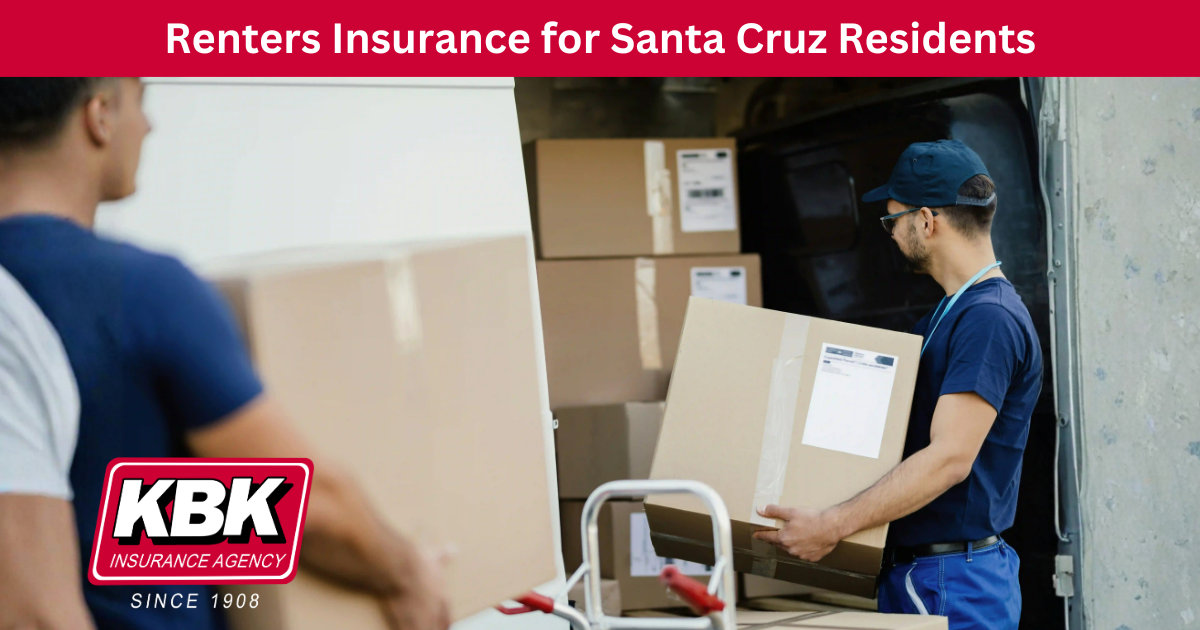
Whether your renting a condo or signing a lease on a newly built apartment in Santa Cruz, both come with a long to-do list: utilities, parking, keys, movers. Renters insurance usually lands on that list because the landlord asks for it, often before they hand over the keys. For most new tenants, the answer is yes, you will want a policy in place by move-in day. The details your lease asks for matter as much as the policy itself.
With new residential developments opening around Santa Cruz County, plenty of people are making this move right now, whether that is a first apartment in Santa Cruz or a new place in Scotts Valley or Capitola. This guide covers what is different about renting in a new community and what to check before you sign.
Do new apartments in Santa Cruz require renters insurance?
California law does not require renters insurance. Many leases do. Professionally managed apartment communities commonly include an insurance section in the lease that asks tenants to:
Carry a renters policy for the full length of the lease
Maintain a minimum amount of personal liability coverage
List the property management company as an interested party
Provide proof of coverage before or at move-in
Before you shop, read the insurance section of your lease and write down three things: the required liability limit, the exact name and mailing address of the management company, and the deadline for proof. Having those ready makes the whole process take minutes instead of days.
What does “interested party” mean on a renters policy?
This phrase confuses a lot of new tenants. Listing your landlord or property manager as an interested party means they get notified if your policy is canceled or lapses. It does not give them coverage under your policy, and it does not change what your policy covers for you.
Some leases use the term “additional insured” instead. That is a different request, and not every carrier handles it the same way, so mention it to your agent if your lease uses that language. Either way, use the management company’s legal name and address exactly as the lease shows it. A small mismatch can lead to a follow-up email from the leasing office right when you are trying to move in.
When should my renters policy start?
Set your policy to start on the day you get your keys, not the day you finish unpacking. Your belongings are often most at risk during the move itself, and a gap of even a few days can leave you exposed.
If you already have a renters policy at your old place, update the address on the day you move instead of buying a second policy. Your coverage is tied to your residence, so an old address on file can cause problems if you ever need to file a claim. It is also worth asking how your policy treats belongings while they are in transit and what your moving company’s own liability covers.
What is different about renting in a new building?
Newer apartment communities tend to share a few features that are worth thinking about from an insurance standpoint.
Shared amenities. Gyms, rooftop decks, clubhouses, and reservable lounges are common in new buildings. Personal liability coverage generally follows you, which matters if you host friends in a shared space and someone gets hurt.
Package rooms and deliveries. Theft of your belongings is a covered loss under most renters policies, subject to your deductible. Keep in mind that a single stolen package often costs less than the deductible itself.
Storage units and garages. Belongings kept in a separate storage locker or parking garage may have a lower coverage limit than items inside your unit. If you store bikes, sports gear, or seasonal items, ask how your policy handles them. Electric bikes and scooters deserve their own question, since many policies limit or exclude motorized items.
Car break-ins. If someone breaks into your car in the building’s garage, the items stolen from inside are usually a renters insurance claim. Damage to the car itself, like a broken window, typically falls under the comprehensive coverage on your auto policy.
Water damage. New buildings usually have fire sprinklers, and sudden, accidental water damage is typically covered. If a leak from your unit damages the apartment below, your personal liability coverage may come into play. Flood is a different story, and it is excluded from standard renters policies.
New furniture. Many people buy new furniture and electronics for a new place. If you did, raise your personal property limit to match, and ask about any items like jewelry or cameras that may have lower limits.
How do I document my belongings when I move in?
Unpacking is the easiest time to build a home inventory. Everything is already out of the box and in your hands. A few simple habits help a lot if you ever have a claim:
Record a slow video walkthrough of each room once you are settled
Photograph serial numbers on electronics and appliances you own
Save receipts for new purchases in a folder or cloud drive
Store copies somewhere other than your apartment
The same habit helps with your security deposit. Photos of the unit’s condition on move-in day are useful when you move out, even though that is separate from insurance.
Do roommates, students, or pets change anything?
Roommates usually need their own renters policy, since a policy typically covers only the named insured and household relatives. If you are splitting a new place in Santa Cruz with friends, it is worth each person handling their own coverage.
Students moving off campus should check one thing first. Some parents’ homeowners policies extend limited coverage to a student living away from home, but an off-campus apartment is often treated differently than a dorm. A quick call clears that up before move-in.
Pet owners should know that personal liability coverage can apply if your dog injures someone, though some carriers have restrictions by breed. Vet bills are a separate matter, and our post on pet insurance in Santa Cruz County covers that side.
How can a local agent help with a new lease?
An independent agent can compare policies from several carriers, match your coverage to what your lease requires, and send proof of insurance straight to your property manager. If you also have a car, we can look at whether combining your policies makes sense. Our guide on bundling home and auto insurance explains how multi-policy discounts work.
For a full overview of what a renters policy covers, including flood, earthquake, and replacement cost questions, visit our renters insurance page. Once you are settled in, our personal insurance checklist for Santa Cruz County is a good way to review everything else.
Getting Covered Before Move-In Day
If you are moving into a new apartment in Santa Cruz, Soquel, Aptos, or anywhere in Santa Cruz County, call us at (831) 724-1085 or request a renters insurance quote. A local agent who knows the area can match your policy to your lease and get proof to your property manager quickly, so move-in day stays about the move.
Coverage, limits, and discounts vary by carrier, policy, and eligibility, and nothing in this post guarantees coverage or pricing. This post is general information only and is not legal or financial advice. Please review your policy or speak with a licensed KBK agent about your situation. KBK Insurance Agency, CA License 0426333.